
Morocco is not simply a destination on the map of Africa. It is a place where ancient traditions, dramatic landscapes, vibrant cities, and modern life come together in a way that feels unlike anywhere else.
From the blue streets of Chefchaouen to the golden dunes of the Sahara desert Morocco offers travelers an experience filled with color, history, flavor, and unforgettable encounters. Sitting at the crossroads of Africa, Europe, and the Arab world, the country has developed a cultural identity that is both deeply traditional and constantly evolving.
If you are searching for a unique experience, Morocco deserves a place at the top of your list.
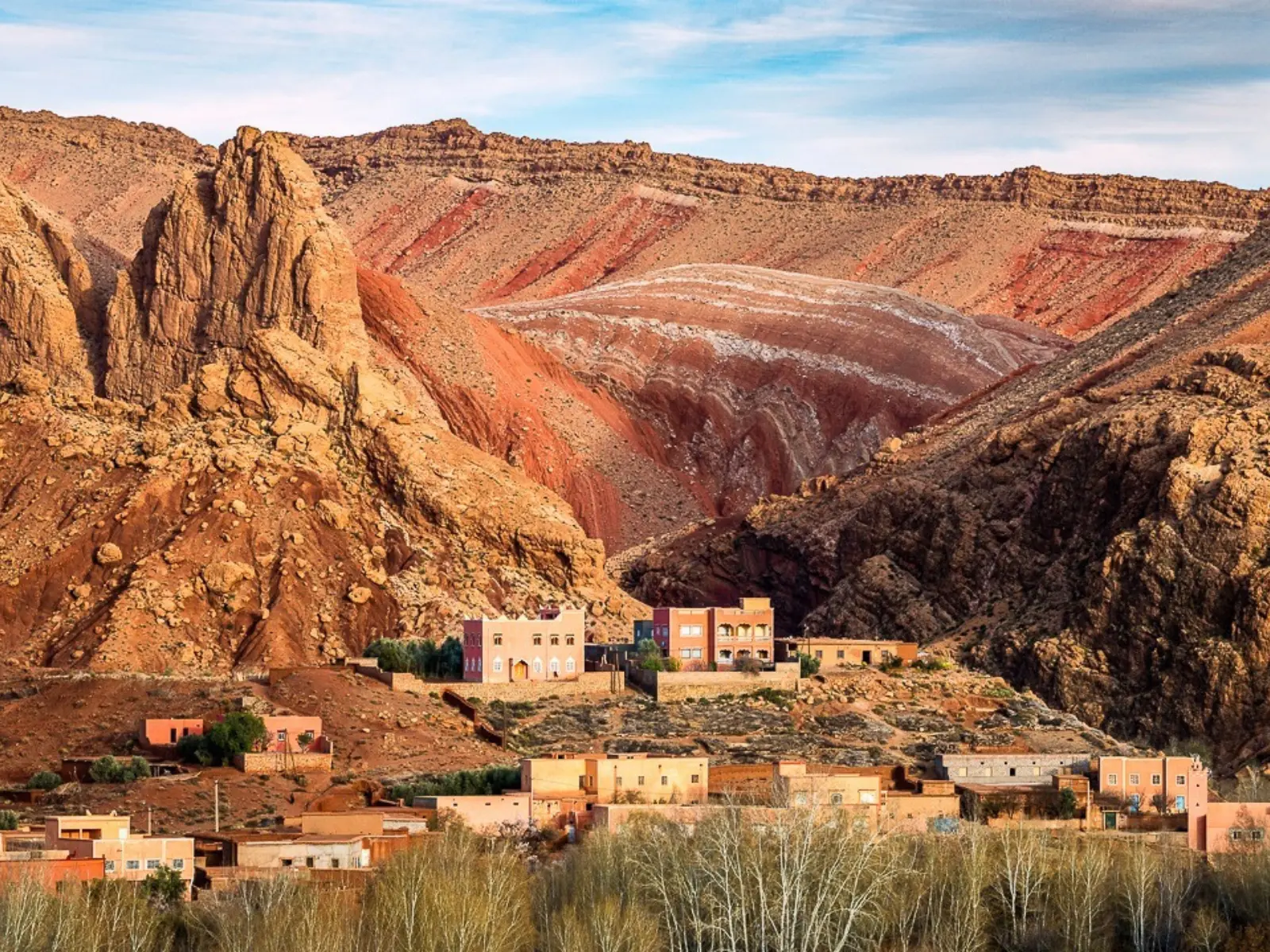
Morocco’s greatest attraction is its diversity.
In a private Morocco trip, you can explore ancient medinas, walk along Atlantic beaches, hike through mountain villages, and spend a night beneath a sky full of stars in the Sahara Desert.
The country’s geography is remarkably varied. The Atlas Mountains stretch across the heart of Morocco, while the Sahara begins in the southeast. Along the coast, cities such as Essaouira and Agadir offer a completely different atmosphere, with ocean views, seafood, and relaxed seaside culture.
This contrast makes Morocco much more than a typical sightseeing destination.
Marrakech is one of Morocco’s most recognizable cities.
Its historic medina is filled with narrow streets, traditional shops, artisan workshops, cafés, and hidden courtyards. At the heart of the old city lies Jemaa el-Fnaa, a famous public square where the atmosphere changes throughout the day.
During the morning, the area feels relatively calm. As evening arrives, the square becomes energetic, with food stalls, performers, storytellers, and locals gathering together.
Beyond the busy streets, Marrakech also offers peaceful gardens, beautiful riads, traditional hammams, and architecture characterized by Morocco’s famous earthy red tones.
The best way to experience Marrakech is not to rush. Walk without a strict plan, discover small corners, and allow yourself to get slightly lost in the medina.
Hidden in the Rif Mountains, Chefchaouen is famous for its blue-painted buildings.
But its appeal goes beyond photographs.
The town has a slower rhythm than Morocco’s larger cities. Blue walls cover stairways, doorways, streets, and small houses, creating an atmosphere that feels almost dreamlike.
Visitors can explore the old medina, enjoy Moroccan tea overlooking the town, shop for handmade products, or use Chefchaouen as a base for exploring the surrounding mountains.
For travelers looking for an unusual place in Africa, Chefchaouen offers something genuinely different.
Few Moroccan experiences are as memorable as entering the Sahara.
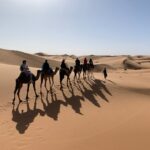
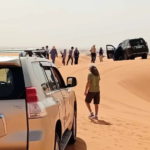
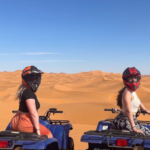
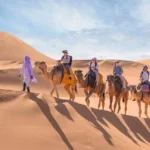
Near Merzouga, the landscape transforms into vast fields of orange-gold sand dunes. During the day, the desert can appear almost endless. At sunset, the dunes change color as the sunlight disappears.
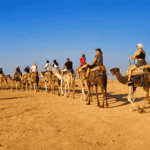
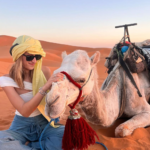
Many travelers choose to experience the desert by camel before spending the night at a traditional desert camp.
But the most remarkable part may come after dinner.
Away from the lights of major cities, the night sky becomes incredibly clear. Looking upward from the desert, you begin to understand how different the world feels when there is nothing around you except sand, silence, and stars.
A Sahara trip is not simply an excursion. It can become one of the defining memories of a journey through Morocco.
Food is one of the best ways to understand Morocco.
Moroccan cuisine reflects centuries of cultural exchange and combines influences from Amazigh, Arab, Andalusian, Mediterranean, and African traditions.
Some dishes every visitor should try include:
Moroccan food is not only about the ingredients. It is also about the experience of sharing a meal.
Food is often served in the center of the table, encouraging people to eat together and take their time.
While Morocco’s cities attract millions of visitors, the country’s mountains reveal another side of its identity.
The Atlas Mountains are home to rural communities, traditional villages, valleys, forests, and spectacular hiking routes.
The High Atlas is particularly appealing to travelers who want to combine cultural exploration with outdoor adventure.
A visit to a mountain village can provide an opportunity to see a quieter side of Moroccan life, where traditional architecture, agriculture, local crafts, and community customs remain important.
For adventure travelers, Morocco’s mountains provide excellent opportunities for hiking and exploring landscapes far removed from the country’s busy tourist centers.
Essaouira offers a completely different atmosphere from Marrakech.
Located on Morocco’s Atlantic coast, the city is known for its historic medina, oceanfront walls, fishing harbor, and strong artistic character.
The sound of the Atlantic Ocean creates a natural soundtrack as you explore the old city.
Fresh seafood is another major attraction. Visitors can walk around the harbor, explore local markets, enjoy coastal views, and watch the sunset over the water.
Essaouira is an excellent choice for travelers who want Moroccan culture without the intensity of a major inland city.
One of the most interesting aspects of Morocco is that its history is not trapped inside museums.
It remains visible in everyday life.
Traditional markets continue to operate. Artisans still work with leather, wood, metal, textiles, and ceramics. Historic riads remain part of the urban landscape, while traditional Moroccan architecture continues to influence contemporary design.
A walk through an old medina can therefore feel like a journey through several centuries at once.
This living connection between past and present is one of the reasons Morocco feels so distinctive.
The best time to visit Morocco depends on what you want to experience.
Spring, particularly March through May, is often a comfortable period for exploring cities and mountains.
Autumn, especially September through November, can also offer pleasant conditions for sightseeing and desert travel.
Summer can be extremely hot in inland and desert regions, although coastal destinations may remain more comfortable.
Winter brings cooler temperatures and can even bring snow to parts of the Atlas Mountains.
If your main goal is a combination of cities, mountains, and desert, the shoulder seasons can offer a particularly appealing balance.
Morocco becomes more rewarding when you move beyond the most obvious tourist attractions.
Instead of simply taking photographs, spend time speaking with local people.
Instead of rushing through a market, learn about the craftsmanship behind the products.
Instead of visiting the Sahara for a few hours, consider staying overnight.
Instead of checking off cities from a list, leave room for unexpected discoveries.
You might find a small family-run restaurant, a quiet mountain village, a local artisan workshop, or a beautiful viewpoint that was never part of your original itinerary.
These unplanned moments often become the most memorable parts of a trip.
Morocco’s greatest strength is its ability to surprise.
It can feel familiar and completely foreign at the same time. It is African, Arab, Amazigh, Mediterranean, Atlantic, traditional, and modern.
That combination is what makes Morocco special.
Whether you are interested in African travel, Moroccan culture, desert adventures, historic cities, mountain landscapes, architecture, or food, Morocco offers countless ways to explore.
You may arrive looking for the Sahara, Marrakech, or Chefchaouen.
But you may leave remembering something much smaller: the taste of mint tea, the sound of a market at sunset, a conversation with a local artisan, or the silence of the Merzouga desert in Morocco at night.
And perhaps that is the real magic of Morocco—the country does not simply give you places to visit. It gives you stories to take home.
Morocco is one of Africa’s most diverse and culturally rich destinations, offering far more than the famous images seen online.
Its ancient cities, colorful medinas, dramatic mountains, Atlantic coastline, flavorful cuisine, and Sahara landscapes create a travel experience that can be both adventurous and deeply personal.
If you are planning your next African adventure, don’t just ask where you should go