
The Amazigh people, also known as Berbers, are the Indigenous people of North Africa with a history that stretches back thousands of years. Their communities have lived across the region long before the rise of many ancient civilizations, preserving a unique cultural identity shaped by the mountains, deserts, valleys, and coastal regions of North Africa.
Today, Amazigh communities can be found mainly in Morocco, Algeria, Tunisia, Libya, Mali, and Niger. They are known for their rich traditions, ancient languages, distinctive art, traditional clothing, music, and strong connection to their land and heritage.
The word Amazigh means “free person” or “noble person” in the Tamazight language, reflecting values of independence, dignity, and cultural pride.
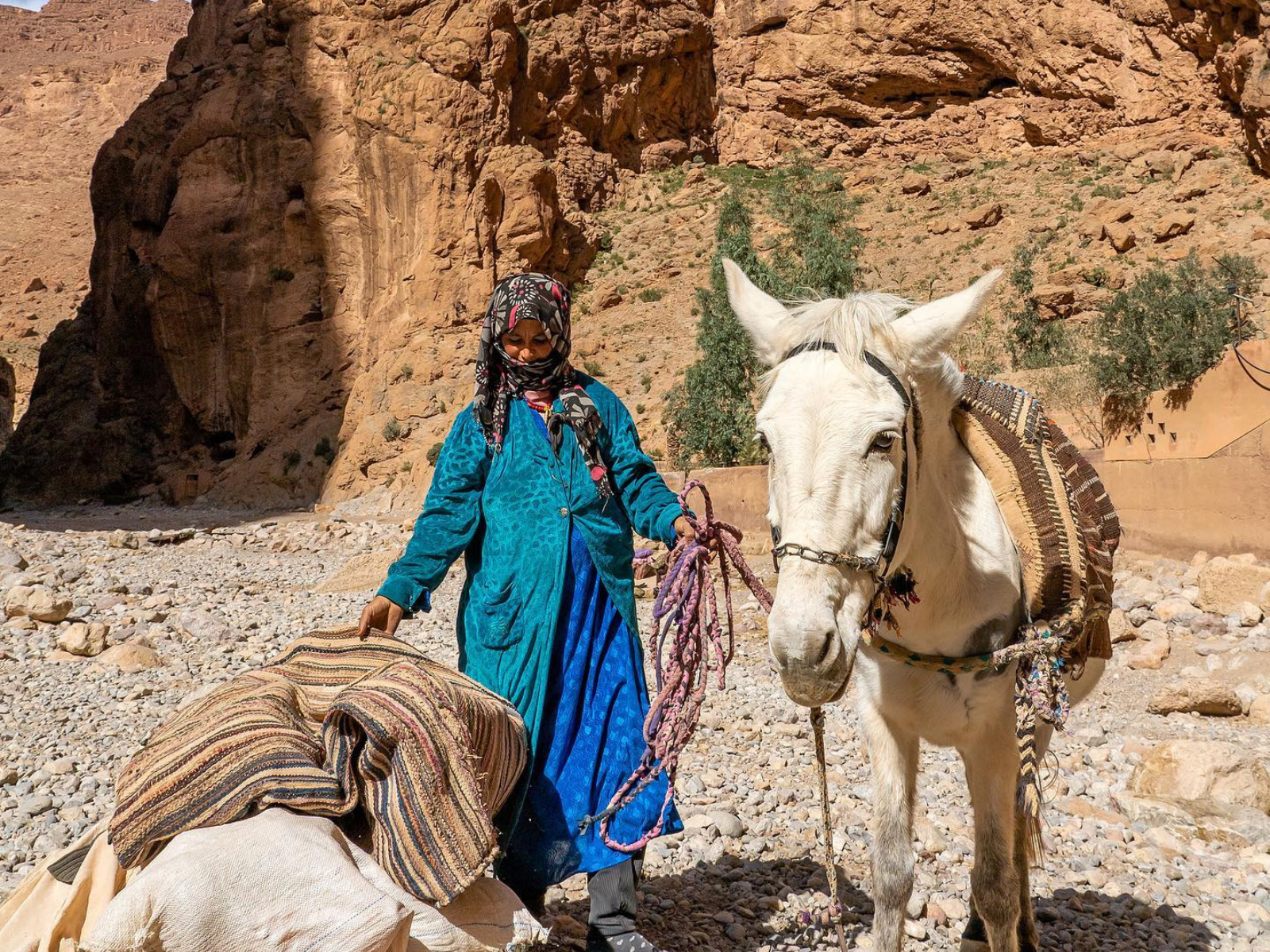
Berber Nomads From High Atlas Mountains
The history of the Amazigh people is deeply connected to the history of North Africa. Ancient Amazigh civilizations existed thousands of years ago and interacted with various Mediterranean civilizations, including the Phoenicians, Romans, Greeks, and Egyptians.
Throughout history, Amazigh kingdoms played important roles in shaping the region. One of the most famous figures from Amazigh history is King Massinissa of Numidia, who established a powerful kingdom in ancient North Africa. Later, Amazigh dynasties such as the Almoravids and Almohads created influential empires that extended across North Africa and parts of the Iberian Peninsula.
Despite many political and cultural changes over centuries, Amazigh communities maintained their identity through language, traditions, and oral history.
Amazigh culture is one of the oldest living cultures in North Africa. It is expressed through many forms of art, including music, poetry, weaving, architecture, and festivals.
Amazigh clothing varies between regions but often includes colorful fabrics, handmade embroidery, silver jewelry, and symbolic patterns. Jewelry is especially important in Amazigh culture, as traditional designs can represent identity, protection, family heritage, and social status.
Music plays a central role in Amazigh celebrations and daily life. Traditional instruments such as drums, lutes, and flutes accompany songs that tell stories about history, love, nature, and community life.
Different Amazigh regions have their own musical styles, including:
Amazigh art is famous for geometric patterns and meaningful symbols found in carpets, pottery, tattoos, and jewelry.
One of the most recognized Amazigh symbols is ⵣ (Yaz), which represents freedom and the Amazigh identity.
Tamazight is the collective name for the Amazigh languages spoken across North Africa. It belongs to the Afroasiatic language family and has several regional varieties, including Tarifit, Tashelhit, and Central Atlas Tamazight in Morocco, as well as Kabyle and other varieties in Algeria.
The traditional Amazigh writing system is called Tifinagh, an ancient alphabet that is still used today. The modern Tifinagh script has become an important symbol of Amazigh cultural revival.
In recent decades, efforts have increased to preserve and promote Tamazight through education, media, and official recognition.
Morocco has one of the largest Amazigh populations in the world. Amazigh communities are present throughout the country, especially in the Rif Mountains, the Middle Atlas, the High Atlas, and the Souss region.
Amazigh heritage is deeply woven into Moroccan identity, influencing:
The Amazigh New Year, known as Yennayer, is celebrated by many communities as a cultural event honoring agriculture, nature, and ancestral traditions.
The Amazigh people have contributed significantly to the history and development of North Africa. Their influence can be seen in agriculture, architecture, trade routes, military history, literature, and cultural traditions.
Amazigh communities have also played an important role in protecting and preserving knowledge through oral storytelling, poetry, and traditional practices passed from one generation to another.
In the modern world, Amazigh identity continues to evolve while maintaining its connection to the past. Cultural organizations, artists, researchers, and communities work to preserve the Tamazight language, traditional arts, and historical knowledge.
The recognition of Amazigh culture represents the importance of protecting cultural diversity and celebrating the many identities that contribute to North Africa’s history.
The Amazigh people are more than a historical community; they are a living culture with a powerful connection to language, land, and tradition. Their heritage represents resilience, creativity, and the diversity of North Africa.
By learning about Amazigh history and culture, we gain a deeper understanding of one of the world’s oldest continuous civilizations and the valuable role it plays in shaping the cultural identity of the region.
In northern Morocco, the Amazigh communities of the Rif Mountains speak Tarifit. Their culture reflects the relationship between mountain landscapes and the Mediterranean coast. Traditional homes, farming practices, music, and handmade textiles show the importance of community life. Rif community members are known for their distinctive clothing and colorful woven fabrics, while local songs preserve stories of family, courage, and daily life.
The Middle Atlas is home to speakers of Central Atlas Tamazight. Many Amazigh families have traditionally practiced agriculture and livestock farming, especially sheep and goats. The region is famous for Ahidous, a collective dance where men and ladies sing poetry together in harmony. The cedar forests, mountain villages, and seasonal movements of shepherds have shaped a culture built around cooperation and respect for nature.
In the High Atlas and Souss regions, many Amazigh communities speak Tashelhit (Tachelhit). They are known for terraced farming, argan production, and impressive earth-built villages. Traditional Ahwach performances combine poetry, music, and dance, reflecting the creativity of southern Amazigh society.
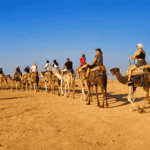
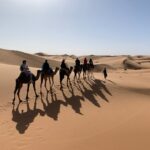
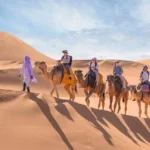
Among the most fascinating expressions of Amazigh culture is the tradition of nomadic life. For centuries, some Berber groups have moved across Morocco’s eastern mountains, Sahara Desert Morocco areas, and Saharan landscapes in search of water and pasture for their animals.
Nomadic communities, often known as Aït Atta and other tribal groups of southeastern Morocco, developed a lifestyle based on mobility, resilience, and deep knowledge of the environment. Their journeys followed seasonal cycles, allowing them to survive in challenging landscapes where temperatures could change dramatically between day and night.
Their traditional way of life includes:
The nomadic tent is more than a shelter; it represents family, hospitality, and a connection to ancestral land. Inside, guests are welcomed with tea, conversation, and stories passed from one generation to another.